TikTok禁令: China's Regulatory Response and Global Fallout
TikTok禁令
·Technology
·CN
·120 views
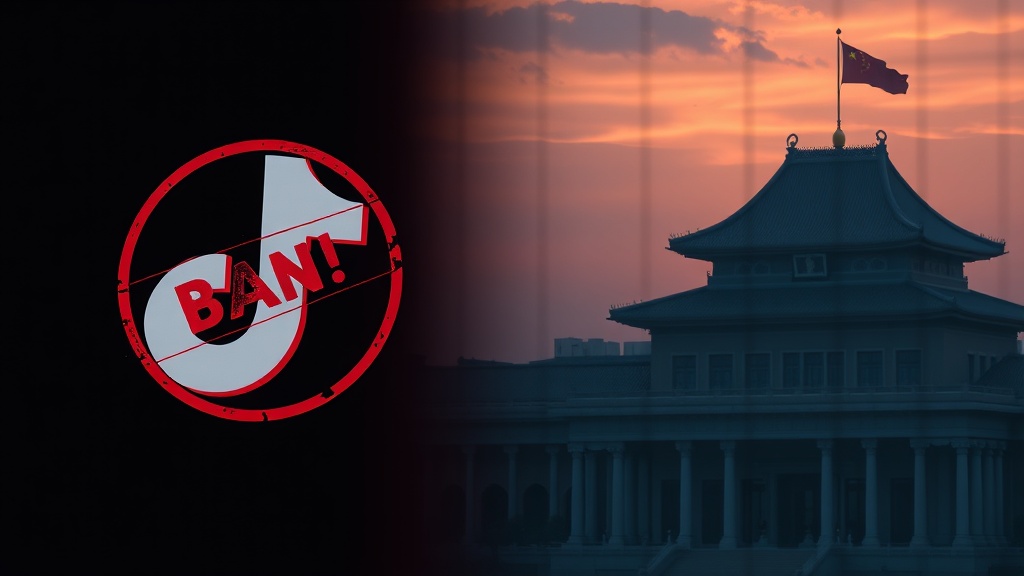
Beijing's tightening of data-security rules and algorithm oversight is reshaping debates around TikTok bans, forcing ByteDance to navigate mounting regulatory and diplomatic pressures. The distinction between TikTok and domestic Douyin, plus China's export controls, are central to how the issue unfolds internationally.
Chinese regulators have continued to tighten controls on data flows, algorithmic recommendation systems and platform governance, a trend that informs Beijing’s stance in global discussions about TikTok bans. Since the enactment of the Personal Information Protection Law and the Data Security Law, authorities have emphasized data localization, security reviews for cross-border transfers and greater transparency requirements for recommendation algorithms. These measures have made it clearer that any foreign policy debate over TikTok cannot be separated from China’s domestic regulatory priorities.
For ByteDance, the parent company of TikTok and Douyin, the regulatory environment has prompted corporate adjustments aimed at isolating domestic operations from international units. Douyin remains the dominant short-video platform inside China and is subject to Beijing’s content and algorithm oversight. Meanwhile, TikTok — unavailable in mainland China — faces external pressure from several governments seeking restrictions or bans on the app for national-security reasons. Beijing has framed many foreign restrictions as protectionist and has called for reciprocal treatment and international cooperation on data-security standards.
Economically and diplomatically, the TikTok ban discussions have accelerated broader conversations about technological decoupling, supply-chain resilience and digital sovereignty. Chinese tech firms face both operational constraints at home and reputational and market risks abroad. At the same time, policymakers in other countries continue to weigh targeted measures — such as bans on government devices, security audits, or forced divestiture — against the potential costs to consumers and business ties.
Looking ahead, observers say the trajectory will be shaped by a mix of legal implementation within China, bilateral negotiations on data-security protocols and how ByteDance responds operationally to compliance demands on multiple fronts. For stakeholders in China and overseas, the debate over “TikTok禁令” underscores a larger era in which national security, data governance and platform power are tightly intertwined, and outcomes will likely evolve as regulatory frameworks and diplomatic talks progress. (Coverage reflects developments as of June 2024.)
Tags
TikTok禁令China TikTok banByteDanceDouyindata securityalgorithm regulationcybersecurity review