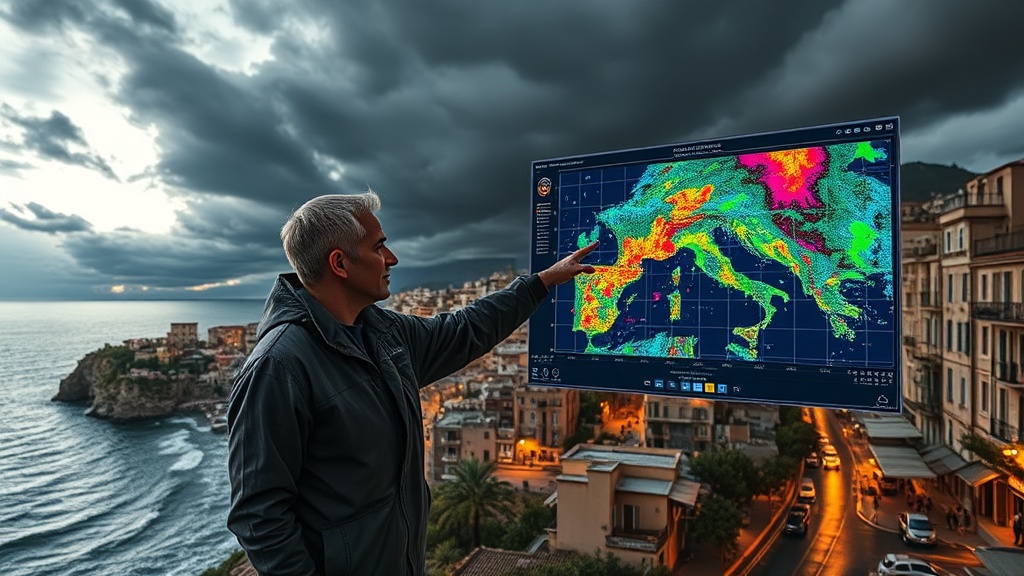
Meteo Italia: Rising Extremes and Advances in Forecasting Transform Italy’s Weather Response
Meteo Italia
·Technology/Environment
·US
·414 views
Meteo Italia and the national meteorological community report a clear uptick in extreme events across Italy alongside rapid improvements in forecasting technology. Authorities and scientists are emphasizing better early-warning systems and localized adaptation to reduce impacts on communities, agriculture and infrastructure.
Italy’s weather landscape is changing: Meteo Italia and partner agencies have documented an increase in intensity and variability of meteorological events in recent seasons, with hotter heatwaves, sharper rainfall peaks and more erratic snow patterns at higher elevations. These shifts are amplifying risks for flash floods, landslides and heat-related health stresses, particularly in urban zones and vulnerable coastal and hill communities. The combination of long dry spells punctuated by short-lived extreme precipitation events is posing new challenges for water management and agriculture.
On the scientific front, Meteo Italia is investing in higher-resolution and ensemble forecasting techniques that improve short- to medium-range predictions. Integration of satellite data (including Copernicus streams), denser radar nowcasting networks and machine-learning tools for precipitation and flood forecasting have reduced uncertainty on local scales. Forecasters report measurable gains in lead time for severe-weather alerts, enabling more targeted advisories and operational coordination with regional authorities and Protezione Civile departments.
Communication and operational response are evolving in parallel. Authorities are refining tiered warning systems, expanding mobile alerting and issuing sector-specific guidance for agriculture, hydroelectric operators and transportation managers. Local administrations are increasingly using probabilistic forecasts to trigger pre-emptive measures such as temporary road closures, reservoir management and community evacuation planning in high-risk areas.
Looking ahead, experts stress that forecasting advances must be matched by investment in resilience: improved drainage and slope stabilization, water-storage strategies, and urban heat mitigation. Continued collaboration between Meteo Italia, research bodies and civil-protection agencies will be central to translating better forecasts into fewer casualties and reduced economic losses as the country adapts to a more volatile climate regime.
Tags
Meteo ItaliaItaly weatherextreme weather Italyweather forecastingnowcastingCopernicusclimate adaptationProtezione Civile