Spring Koshien's New Wave: Pitcher Protection, Two-Way Stars, and Media Boom
春の甲子園
·Sports
·JP
·110 views
Spring Koshien remains a central showcase for Japan's high school baseball talent, with recent seasons seeing sharper focus on pitcher workload, rise of two-way players, and expanded digital coverage. These trends through mid-2024 are reshaping coaching, scouting and fan engagement nationwide.
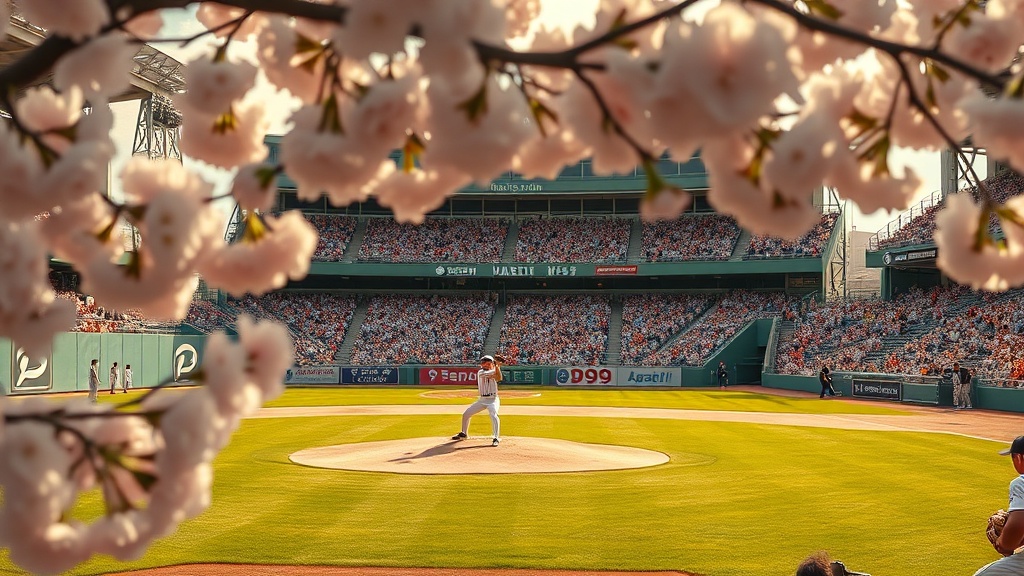
Spring Koshien—the national high school baseball invitational staged at Hanshin Koshien Stadium—continues to be a bellwether for Japanese baseball. In recent seasons through mid-2024, the tournament has reflected broader shifts in player development and organizational priorities: protecting young arms, promoting versatile two-way athletes, and adapting to a rapidly changing media landscape.
One prominent development is increased attention to pitcher workload and injury prevention. Coaches and athletic staffs across many high schools have incorporated stricter inning management, off-season rest programs, and clearer communication with university and professional scouts. While traditional expectations around complete games remain part of the culture, more programs are balancing competitive aims with long-term player health—an evolution driven by high-profile professional injuries and growing sports-medicine influence.
At the same time, two-way players—athletes who both pitch and hit at a high level—are drawing greater interest from scouts and fans. Schools that cultivate multi-skilled athletes are gaining prominence, and pro teams are increasingly open to drafting and developing such talent. Advances in video analysis and data-driven training are also visible at the high school level: more teams use pitch-tracking, biomechanics assessment, and digital scouting libraries to refine player preparation and present prospects to university and pro evaluators.
Media and commercial dynamics around Spring Koshien are changing too. Broadcast partners and digital platforms have expanded streaming options and behind-the-scenes coverage, broadening the tournament’s reach beyond traditional television audiences. This expansion raises questions about scheduling, player exposure, and commercialization, prompting organizers and local communities to seek a balance between maintaining amateur traditions and meeting modern fan demand. Looking ahead, the interplay between athlete welfare, talent development, and media growth will likely shape Spring Koshien’s role in Japan’s baseball ecosystem for years to come.
Tags
Spring Koshienhigh school baseball Japanpitcher workloadtwo-way playersKoshien Stadiumbaseball analyticshigh school scouting