ChatGPT in the U.S.: New Features, Wider Adoption and Growing Regulation
ChatGPT
·Technology
·US
·104 views
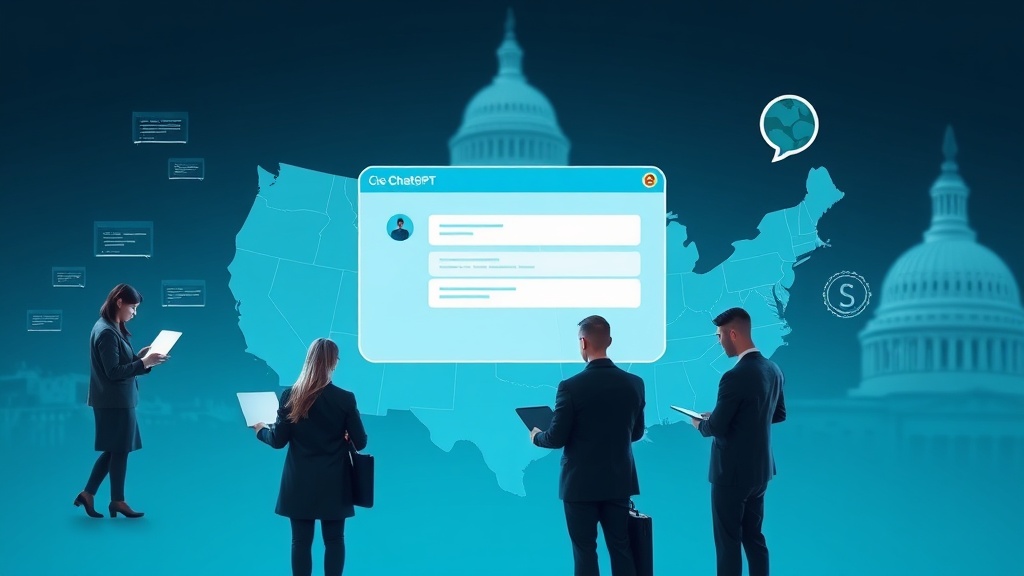
ChatGPT is seeing accelerated adoption across U.S. businesses and government pilots while rolling out expanded multimodal and enterprise features. At the same time, lawmakers and regulators are intensifying scrutiny over safety, privacy, and market power as competition heats up.
OpenAI’s ChatGPT continues to expand its footprint across the United States as businesses, educational institutions and government agencies adopt the conversational AI for productivity, customer service and research. Over recent months the platform has added a steady stream of capabilities aimed at enterprise users — including enhanced security controls, integration-ready APIs and more robust multimodal inputs — which customers say help scale internal workflows and customer-facing applications. Major corporate partners and developer communities have also pushed forward with plugins and integrations that embed ChatGPT into everyday business tools.
Alongside commercial uptake, U.S. federal and state authorities have intensified engagement with AI providers. Congressional hearings, agency workshops and policy proposals this year have focused on transparency, data protection and guardrails for generative models. Regulators and lawmakers are weighing measures to ensure accountability without stifling innovation, and public agencies are piloting use cases while pressing for clearer procurement standards and privacy safeguards for sensitive data.
Competition and market dynamics have also shaped the U.S. landscape: rivals and cloud partners are accelerating investments in alternative models, infrastructure and developer ecosystems, prompting faster iteration and feature releases. This competitive pressure has translated into more frequent product updates, diversified pricing and a push toward real-time multimodal capabilities that combine text, voice and images. Analysts say the result is a more dynamic market but one that raises questions about interoperability, platform lock-in and long-term costs for enterprise users.
Public debate has intensified around safety, misinformation and the social impact of conversational AI. Civil society groups and technology firms have called for clearer standards on model behavior, auditability and redress mechanisms for harms. For industry stakeholders in the U.S., balancing rapid deployment with rigorous safety testing and transparent governance remains the central challenge as ChatGPT and comparable systems move from research labs into mission-critical roles across sectors.
Tags
ChatGPT United StatesAI regulation USChatGPT enterprise adoptiongenerative AI trendsOpenAI developmentsmultimodal AI featuresAI safety and privacy